
What this comparison is designed to answer
This page is structured to show readers where the real differences appear so the outbound click feels like a justified next step, not a hard push.
Key Takeaways
- Auto insurance rates are rising significantly in several U.S. states, notably Louisiana (124%) and Nevada (108%).
- Factors like inflation, repair costs, and increased claims contribute to widespread premium hikes.
- Proactive steps like comparing quotes, adjusting deductibles, and seeking discounts can help mitigate rising costs.
- Regularly review your policy and understand your state's specific insurance market dynamics.
- Not all policies are equal; choose coverage that balances cost with adequate protection for your needs.
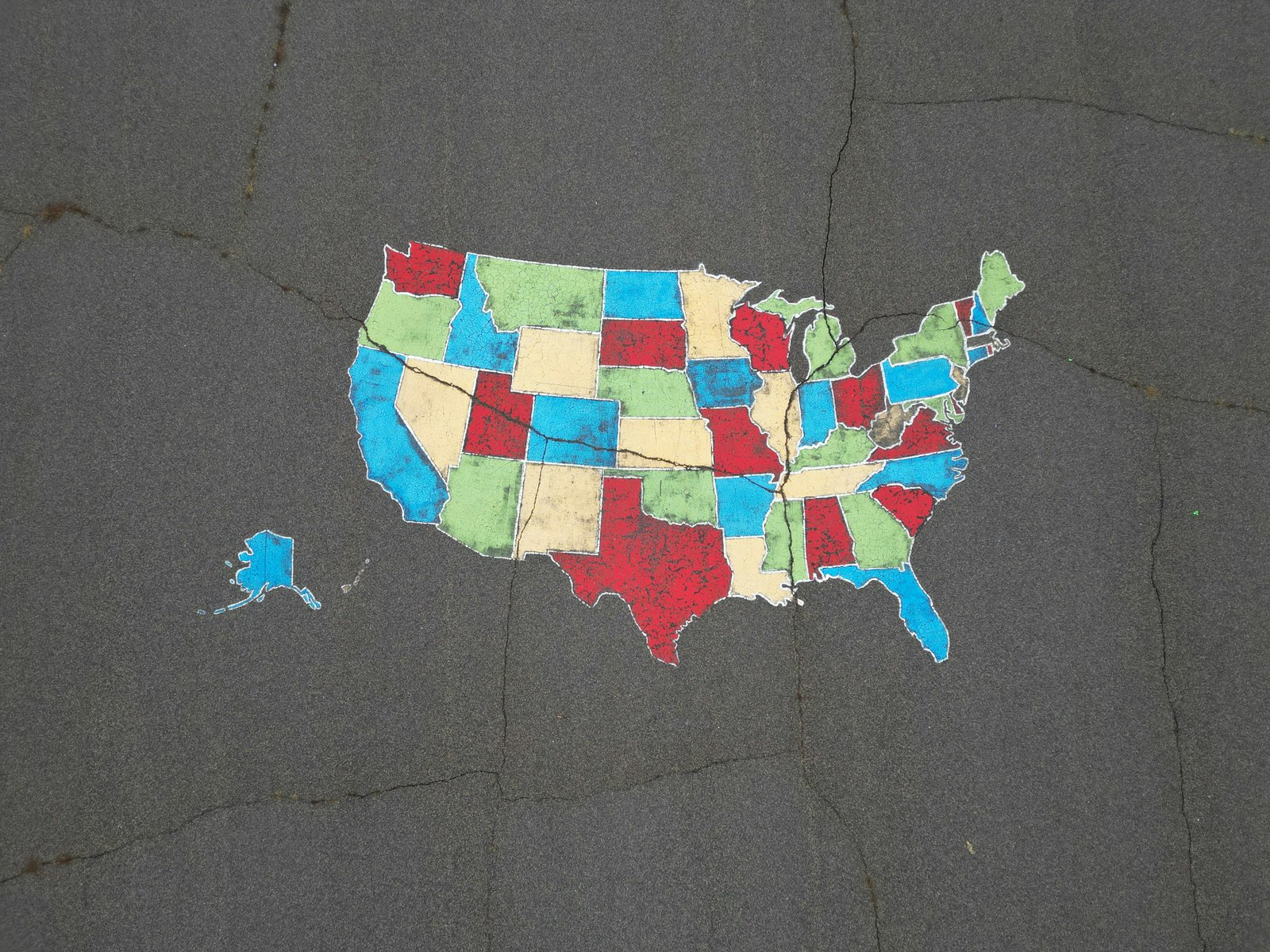
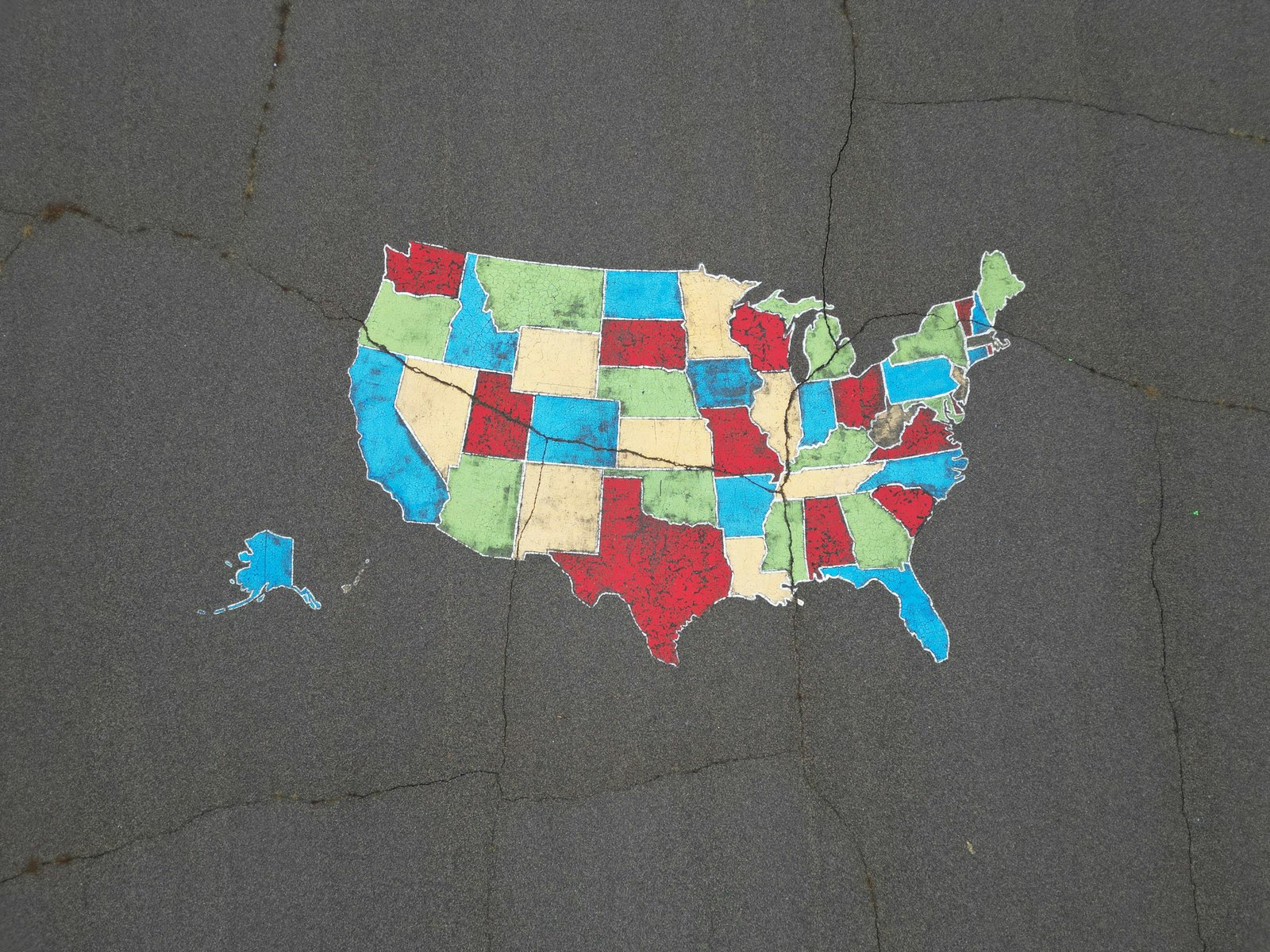
Auto insurance premiums across the United States are undergoing significant changes, leaving many drivers questioning the affordability of their coverage. As an editorial review from InsuraPro, a U.S. insurance research website, we examine this evolving landscape, particularly focusing on states experiencing dramatic increases. For instance, recent reports indicate that auto insurance rates in Louisiana have climbed by an estimated 124%, while Nevada has seen increases around 108%. This article aims to help you understand if your state is on a similar list of significant rate hikes and, crucially, what practical steps you can take to manage these escalating costs.
Understanding the drivers behind these changes is the first step toward informed decision-making. While the national average for auto insurance has also risen, the scale of increases in certain regions demands a closer look. We will explore the factors contributing to these shifts and provide actionable strategies for consumers navigating a more expensive insurance market.
Understanding the Current Landscape of Auto Insurance Rates
The auto insurance market is dynamic, influenced by a complex interplay of economic, environmental, and behavioral factors. Over the past few years, a confluence of these elements has pushed premiums upward across many states. Economic inflation has driven up the cost of vehicle parts, labor for repairs, and medical expenses associated with accidents. Modern vehicles, equipped with advanced technology, are more expensive to repair or replace after a collision, contributing to higher claim payouts for insurers.
Beyond economic pressures, an increase in severe weather events, such as hurricanes and hailstorms, leads to a greater volume of claims for comprehensive coverage. Additionally, some regions have seen an uptick in accident frequency and severity, further impacting insurers' loss ratios. These broad trends are magnified in states like Louisiana and Nevada, which have experienced some of the biggest surges in premiums, reflecting localized risks and market conditions.
Compare this offer once pricing, fit, and tradeoffs are clear.
This CTA sits after Understanding the Current Landscape of Auto Insurance Rates so the reader can act on concrete comparison signals instead of generic sales copy.
Is Your State Experiencing Similar Auto Insurance Hikes? A Decision Framework
While Louisiana and Nevada represent some of the most pronounced increases, many other states are also seeing substantial rate adjustments. Determining if your state is on a similar trajectory involves a combination of research and personal policy review. Here is a decision framework to help you assess your situation:
- Check State Insurance Department Reports: Many state departments of insurance publish reports or consumer guides detailing average rate changes and market trends. These can provide a general indication of what's happening in your area.
- Review Local News and Consumer Watchdog Sites: Local media often covers significant premium changes or regulatory actions affecting insurance rates in your state.
- Monitor Your Renewal Notices Closely: Pay immediate attention to your policy renewal notices. A significant increase from your previous premium is a direct signal of rising costs in your specific area and for your risk profile.
- Consider Local Factors: Reflect on recent changes in your state or region. Has there been an increase in severe weather events? Are there new traffic laws or an increase in vehicle thefts? These can all influence local rates.
- Consult Independent Agents: An independent insurance agent licensed in your state can often provide insights into market trends and rate changes across multiple carriers.
By using this framework, you can gain a clearer picture of whether your state is facing the same challenges as those with the biggest rate hikes and prepare for potential adjustments to your own auto insurance costs.
Close with one confident next step for this offer.
Place the final CTA after Is Your State Experiencing Similar Auto Insurance Hikes? A Decision Framework so the article ends like an editorial recommendation, not a hard sell.
Strategies to Mitigate Rising Auto Insurance Costs
Even if your state is experiencing significant rate increases, there are proactive steps you can take to potentially offset some of these higher costs. Managing your auto insurance budget requires a strategic approach and willingness to evaluate your current coverage and options.
Reviewing Your Policy and Coverage
- Adjust Deductibles: Increasing your deductible can lower your premium. However, ensure you have sufficient savings to cover the higher out-of-pocket cost if you file a claim.
- Evaluate Coverage Levels: For older vehicles, consider if full comprehensive and collision coverage is still cost-effective. The premium savings might outweigh the potential payout for a total loss.
- Drop Unnecessary Coverage: Review optional coverages like rental car reimbursement or roadside assistance if you already have these through another service (e.g., credit card, auto club).
Shopping Around and Comparing Quotes
Perhaps the most impactful strategy is to regularly compare quotes from multiple insurers. Even if you've been loyal to one provider for years, a different company might offer more competitive rates for your risk profile, especially in a volatile market. It's advisable to do this at least once a year, or whenever your policy is up for renewal, or if you experience a significant life change like moving or buying a new car.
Seeking Discounts
Insurers offer a wide array of discounts that can significantly reduce your premium. Always ask your agent or insurer about available discounts:
- Multi-Policy Discount: Bundling auto insurance with homeowners or renters insurance.
- Safe Driver Discount: For drivers with a clean record over a specified period.
- Low Mileage Discount: If you drive fewer miles than average.
- Good Student Discount: For eligible students with good academic standing.
- Vehicle Safety Features: Discounts for anti-lock brakes, airbags, anti-theft devices.
- Telematics Programs: Some insurers offer discounts for installing a device or using an app that monitors driving habits.
By combining these strategies, you can actively work towards mitigating the impact of rising auto insurance rates, even in states like Louisiana and Nevada.
Evaluating Your Current Policy: A "Best For / Not For" Analysis
When facing rising premiums, it's essential to critically evaluate whether your current auto insurance policy still aligns with your needs and budget. This "Best For / Not For" analysis can help you decide if it's time to make changes or explore new options.
Best For:
- Drivers with Clean Records Seeking Discounts: If you have a good driving history and haven't explored all available discounts, your current insurer might still be a good fit, especially if they offer loyalty bonuses or telematics programs.
- Those Willing to Adjust Coverage or Deductibles: If you're flexible with your coverage levels and comfortable with a higher deductible, you might find ways to keep your existing policy more affordable without switching providers.
- Individuals in States with Moderate Increases Who Haven't Shopped in Years: Even if your state isn't seeing increases as dramatic as Louisiana or Nevada, if you haven't compared rates recently, you are likely overpaying. A review is almost certainly beneficial.
- Policyholders with Unique Needs: If your current insurer offers specialized coverage or highly personalized service that is critical for your situation (e.g., classic car insurance, specific add-ons), the value might outweigh slightly higher costs.
Not For:
- Drivers Facing Exorbitant Increases with No Explanation: If your premium has jumped dramatically without a clear reason, and your insurer can't offer satisfactory explanations or solutions, it's a strong signal to shop elsewhere.
- Those Who Have Not Compared Rates in Over a Year: The market changes rapidly. Sticking with one insurer without checking competitors means you could be missing out on significantly better rates, particularly in states with volatile pricing.
- Individuals Needing More Comprehensive Coverage for a New Vehicle: If your current policy doesn't offer the necessary protection for a new, high-value vehicle at a reasonable price, it might be time to switch.
- Anyone Unsure About Their Policy's Value: If you feel your current policy is no longer competitive or you don't understand your coverage, it's a clear indication that a thorough review and comparison are needed.
This critical assessment ensures you're not paying more than necessary and that your auto insurance provides the appropriate level of protection for your circumstances.
Turn the evidence on this offer into a real shortlist.
This CTA follows Evaluating Your Current Policy: A "Best For / Not For" Analysis so the click feels earned by pros, cons, complaints, and best-fit guidance.
The Role of State Regulations and Market Dynamics
The extent of auto insurance rate changes, like those seen in Louisiana and Nevada, is heavily influenced by state-specific regulations and the local insurance market dynamics. Each state has an insurance department responsible for overseeing insurers, approving rate filings, and protecting consumers.
Some states have stricter regulations regarding how much and how often insurers can raise rates, requiring extensive justification and public hearings. Other states adopt a more market-driven approach, allowing insurers greater flexibility. This regulatory environment directly impacts how quickly and dramatically premiums can change for consumers.

Furthermore, the number of insurers operating in a state, the level of competition, and the overall risk profile of the state's driving population all play a role. States with fewer insurers might experience less competitive pricing, while those prone to natural disasters or with high rates of uninsured drivers often see higher premiums due to increased risk for carriers. Understanding these broader market forces can provide context for your own premium changes and help you navigate the local insurance landscape more effectively.
Frequently asked questions
Why are auto insurance rates increasing so dramatically in Louisiana and Nevada?
States like Louisiana and Nevada are experiencing significant auto insurance rate increases due to a combination of factors. These often include higher costs for vehicle repairs (driven by inflation and advanced technology), increased frequency and severity of accidents, a rise in severe weather events leading to more claims, and local regulatory environments that permit such adjustments. Each state's unique risk profile and economic conditions contribute to these substantial hikes.
How often should I compare auto insurance quotes?
It is generally recommended to compare auto insurance quotes at least once a year, typically before your policy renewal. You should also compare quotes if you experience a major life event, such as buying a new car, moving to a new area, getting married, or adding a new driver to your policy. This ensures you're always getting the most competitive rate.
Can my driving record impact rates even if my state isn't on the "high increase" list?
Yes, your driving record is a primary factor in determining your individual auto insurance premium, regardless of your state's overall rate trends. Accidents, traffic violations, and claims can significantly increase your rates, even in states with more stable insurance markets. Maintaining a clean driving record is one of the best ways to control your personal insurance costs.
What are common discounts I should ask my insurer about?
Common discounts include multi-policy (bundling home and auto), safe driver, good student, low mileage, vehicle safety features (like anti-theft), and telematics programs. Always ask your insurer or agent for a comprehensive list of available discounts to ensure you're maximizing your savings.
Is it always better to choose the cheapest policy?
Not necessarily. While finding an affordable premium is important, it's crucial to balance cost with adequate coverage. The cheapest policy might offer minimal protection, leaving you financially vulnerable in the event of a serious accident. Always review the coverage limits, deductibles, and exclusions to ensure the policy meets your specific needs and provides sufficient financial security.

Reader feedback
Ratings and comments
Customer feedback helps improve content quality and gives new readers practical context before they click a CTA or continue researching.
No approved comments yet.
Submitted comments will appear after moderation.