
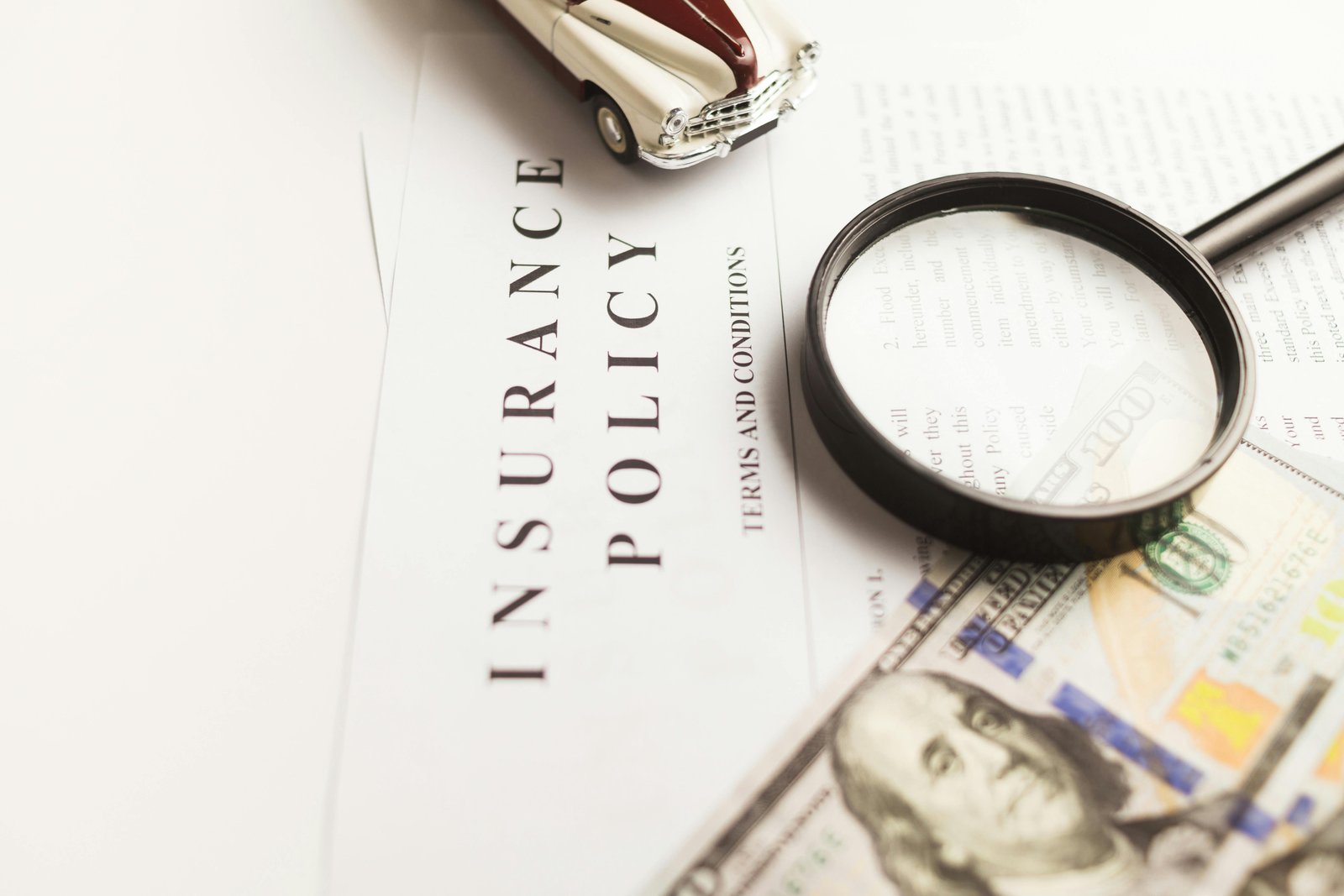
What this comparison is designed to answer
This page is structured to show readers where the real differences appear so the outbound click feels like a justified next step, not a hard push.
Key Takeaways
- Market trends suggest a possibility of slight auto insurance decreases for clean-record drivers in late 2025.
- Proactively comparing quotes and thoroughly reviewing your policy details are crucial steps for identifying and locking in savings.
- Leveraging available discounts, adjusting coverage, and maintaining a strong credit score can further optimize your premiums.
- Not all drivers will experience decreases; individual factors like driving history, location, and vehicle type significantly impact rates.
- The opportunity to 'lock in' savings requires active participation in the renewal process, rather than passive acceptance of the first offer.
For U.S. auto insurance shoppers, the landscape of premiums is constantly shifting. Recent observations suggest that clean-record drivers saw slight decreases in H2 2025, offering a potential reprieve after periods of rising costs. This article explores how to lock in those savings at renewal, providing a practical guide for drivers looking to optimize their auto insurance expenses. While general market trends can be encouraging, individual outcomes depend on a range of personal factors and proactive engagement with the renewal process.
Understanding these shifts and knowing what steps to take can empower you to potentially secure lower rates. This review will guide you through evaluating your current policy, exploring new options, and identifying strategies to ensure you are taking advantage of any favorable market conditions.
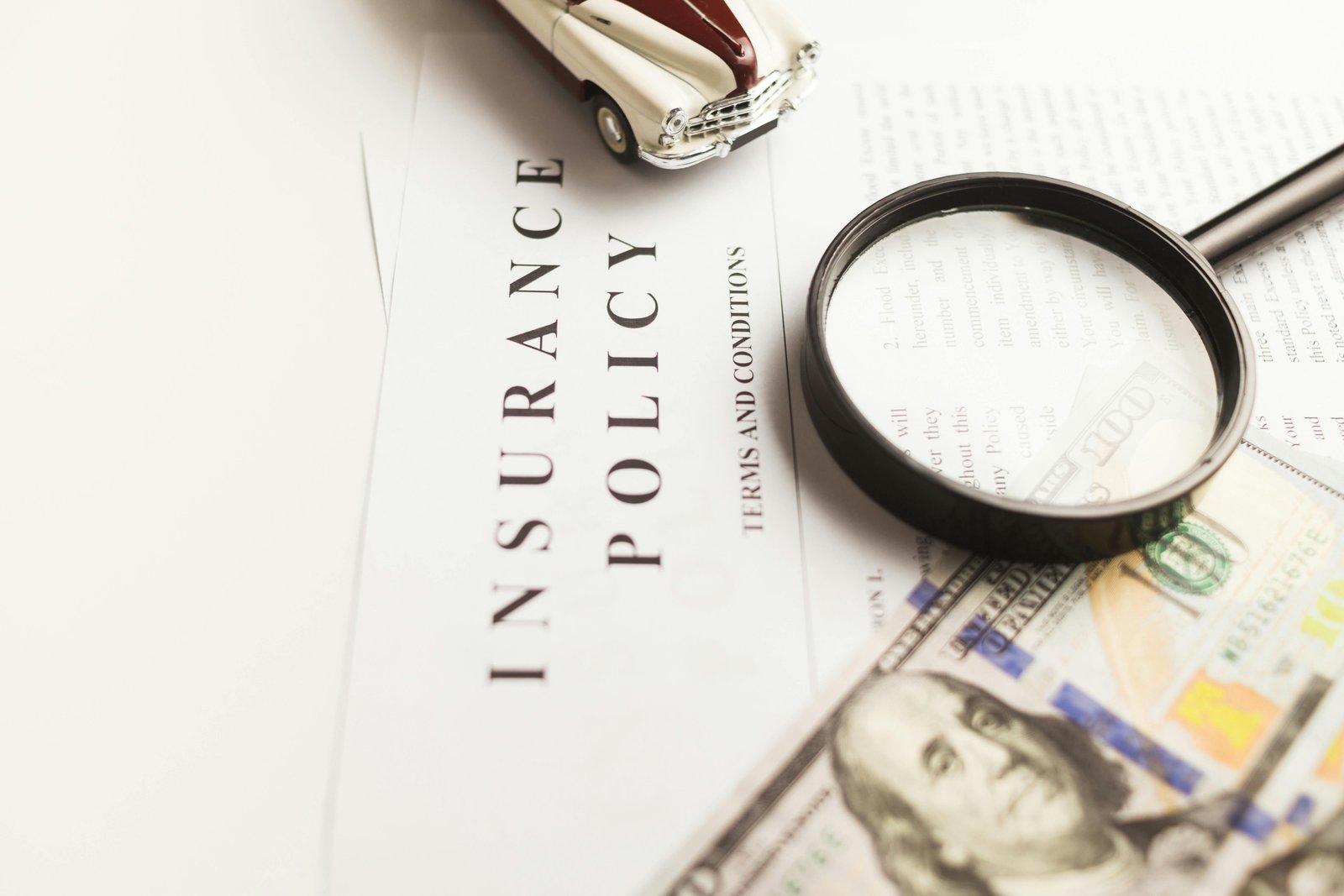
Understanding the Recent Market Shift for Clean-Record Drivers
The reported trend of slight decreases for clean-record drivers in the latter half of 2025 is a notable development in the auto insurance market. This doesn't signify a universal price drop for all policyholders, but rather a targeted adjustment that may benefit those with a consistent history of safe driving. Several factors can contribute to such market corrections, including a stabilization in claims frequency or severity, increased competition among insurers, or adjustments in actuarial models reflecting improved road safety for specific driver segments.
It's important to approach this information with a measured perspective. 'Slight decreases' means that while some drivers may see their premiums tick down, these changes are unlikely to be dramatic. The primary takeaway is that the market may be more favorable for those with an impeccable driving history, creating an opportunity that smart shoppers can seize at their next policy renewal.
Keep the next move on this offer clear and low-friction.
This CTA belongs after Understanding the Recent Market Shift for Clean-Record Drivers so the reader has enough context before comparing or clicking through.
Proven Strategies to Lock In Potential Savings at Renewal
Capitalizing on favorable market conditions requires a proactive approach. Here are key strategies for clean-record drivers to lock in potential savings:
Compare Quotes Proactively
The most effective way to ensure you're getting the best rate is to shop around. Don't wait until the last minute. Begin gathering quotes from multiple insurers approximately four to six weeks before your current policy is set to renew. This allows ample time to compare offers, ask questions, and make an informed decision without feeling rushed. Many insurers offer online quoting tools, or you can work with an independent agent who can provide quotes from several providers simultaneously.
Review Your Current Policy and Coverage
Before accepting a renewal offer, thoroughly review your existing policy. Are your coverage limits still appropriate for your current vehicle and financial situation? Have your driving habits changed, perhaps leading to fewer miles driven? Consider adjusting your deductibles, which can lower your premium, but ensure you are comfortable with the out-of-pocket cost in case of a claim. You might also identify coverages you no longer need, such as rental car reimbursement if you have access to another vehicle.
Maximize Available Discounts
Insurers offer a wide array of discounts, and clean-record drivers are often eligible for many. Reconfirm all existing discounts and inquire about any new ones you might qualify for. Common discounts include:
- Good Driver Discount: Rewards drivers with no accidents or violations over a specified period.
- Multi-Policy Discount: Bundling auto insurance with home, renters, or life insurance.
- Multi-Car Discount: Insuring more than one vehicle with the same provider.
- Low Mileage Discount: For those who drive less than a certain number of miles annually.
- Defensive Driving Course Discount: Completing an approved safety course.
- Vehicle Safety Features: Discounts for anti-lock brakes, airbags, anti-theft devices, etc.
Leverage Telematics Programs
Many insurers offer telematics programs, which use a device or smartphone app to monitor your driving habits (e.g., speed, braking, mileage). For clean-record drivers, these programs can be an excellent way to demonstrate safe driving and earn significant discounts. While they require sharing driving data, the potential savings can be substantial, especially if you consistently exhibit safe driving behaviors.
Maintain a Strong Credit Score
In most U.S. states, insurers use a credit-based insurance score as a factor in determining premiums. A higher credit score often correlates with lower insurance rates, as it's statistically linked to a lower likelihood of filing claims. Regularly checking and working to improve your credit score can have a positive impact on your auto insurance costs.
A Decision Framework for Your Auto Insurance Renewal
Navigating your auto insurance renewal can feel complex, but a structured approach can help you make an informed decision and potentially lock in those reported savings. Use this framework when your renewal notice arrives:
Close with one confident next step for this offer.
Place the final CTA after A Decision Framework for Your Auto Insurance Renewal so the article ends like an editorial recommendation, not a hard sell.
- Analyze Your Current Policy: Start by understanding your existing coverage. What was your premium last year? What is the new proposed premium? Are there any changes to your coverage limits, deductibles, or included benefits? Identify any increases and question their basis.
- Gather Competitive Quotes: Don't rely solely on your current insurer's offer. Obtain at least 3-5 quotes from different reputable insurance providers. Ensure you're comparing policies with similar coverage levels, deductibles, and endorsements to get an 'apples-to-apples' comparison.
- Evaluate Discount Eligibility: Reconfirm all existing discounts with your current insurer and inquire about any new ones. When obtaining new quotes, explicitly ask about all available discounts for which you might qualify, particularly those for clean records, low mileage, or bundling.
- Assess Coverage Needs: Has your life changed since your last policy review? Bought a new car? Moved? Changed your commute? Re-evaluate if your current liability limits are sufficient, if collision and comprehensive coverage are still necessary (especially for older vehicles), and if roadside assistance or rental reimbursement are still valuable to you.
- Understand the Fine Print: Beyond the premium, compare the policy terms, conditions, and exclusions. Research each insurer's reputation for customer service and claims handling. A lower premium might not be a better value if the claims process is difficult or the coverage is lacking.
Who Benefits Most (and Who Should Keep Shopping)
The reported trend for clean-record drivers in H2 2025 creates opportunities, but not for everyone. Understanding where you fit can guide your next steps.
Best for:
- Drivers with a Consistent Clean Record: Those with no accidents, violations, or claims for several years are most likely to see the benefits of these market adjustments.
- Proactive Shoppers: Individuals willing to dedicate time to comparing quotes, reviewing policies, and negotiating with insurers will be best positioned to 'lock in' savings.
- Those Who Haven't Shopped Recently: If you've been with the same insurer for three or more years without comparing options, you are likely leaving money on the table and have the most to gain.
- Drivers with Changing Circumstances: If you've recently started working from home, reduced your commute, or paid off your vehicle, your risk profile may have improved, making you eligible for new savings.
Not for:
- Drivers with Recent Incidents: If you've had an accident or moving violation recently, market decreases for clean-record drivers may not apply to your individual rates, and you might still face higher premiums.
- Those Prioritizing Only the Lowest Price: While saving money is key, compromising on essential coverage to achieve the absolute lowest premium can expose you to significant financial risk in the event of a serious claim.
- Passive Policyholders: Drivers who simply accept their renewal notice without review or comparison are unlikely to benefit from these market shifts and may miss out on potential savings.
Limitations to Consider:
While the news of potential decreases is positive, it's crucial to remember that these are 'slight' and not universal. Individual factors such as your specific ZIP code, vehicle make and model, annual mileage, and the specific insurer's underwriting guidelines will always play a significant role. Do not expect dramatic drops, but rather look for opportunities to optimize your policy and prevent unnecessary increases.
Turn the evidence on this offer into a real shortlist.
This CTA follows Who Benefits Most (and Who Should Keep Shopping) so the click feels earned by pros, cons, complaints, and best-fit guidance.
Verifying Your Fit and Finalizing Your Choice
Once you've gathered quotes and identified potential savings, it's critical to perform due diligence before making a switch or accepting a new policy. Ensure you're comparing 'apples to apples' in terms of coverage limits, deductibles, and any endorsements. Read policy documents carefully to understand what is and isn't covered. Check the financial strength ratings of any new insurer (e.g., AM Best, Standard & Poor's) to ensure their stability and ability to pay claims. Also, review customer satisfaction scores from reputable sources like J.D. Power. A slightly higher premium with a highly-rated insurer might offer better long-term value and peace of mind. Confirm payment options and billing cycles to avoid any surprises. By verifying these details, you can confidently finalize a choice that best fits your needs and budget.

Frequently asked questions
What does "Clean-record drivers saw slight decreases in H2 2025" mean for my auto insurance?
This market observation suggests that drivers with a consistent history of no accidents or moving violations may experience a slight reduction in their auto insurance premiums during the latter half of 2025. It's a general trend, not a guarantee, and individual rates will still depend on specific factors like your location, vehicle, and insurer.
How can I effectively "lock in" any potential savings at my next renewal?
To lock in savings, proactively compare quotes from multiple insurers 4-6 weeks before your renewal. Thoroughly review your current policy for outdated coverages or missed discounts, and inquire about telematics programs or other new discounts you might qualify for based on your clean driving record.
Is it always better to switch insurers to get a lower rate?
Not necessarily. While shopping around is crucial, sometimes your current insurer may match or beat competitor offers, especially if you have a long, clean history with them. The best approach is to compare, then use competitive quotes to negotiate with your existing provider before making a decision.
What role does my driving record play in these rate adjustments?
Your driving record is a primary factor in setting premiums. For clean-record drivers, a history free of accidents and violations signals lower risk to insurers, making you eligible for better rates and potentially benefiting most from any market-wide decreases.
How often should I shop for new auto insurance quotes?
It's generally recommended to compare auto insurance quotes at least once a year, typically before your policy renewal. Additionally, consider shopping for quotes if you have a major life event, such as buying a new car, moving to a new area, getting married, or if your driving habits significantly change.

Reader feedback
Ratings and comments
Customer feedback helps improve content quality and gives new readers practical context before they click a CTA or continue researching.
No approved comments yet.
Submitted comments will appear after moderation.